How to Decide If Assisted Living Is the Best Fit
Business Name: BeeHive Homes of Mesquite
Address: 780 2nd S St, Mesquite, NV 89027
Phone: (702) 381-6899
BeeHive Homes of Mesquite
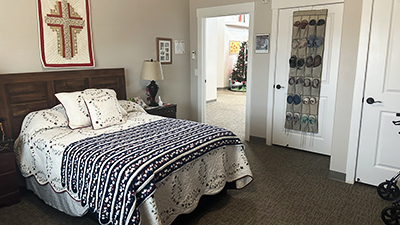
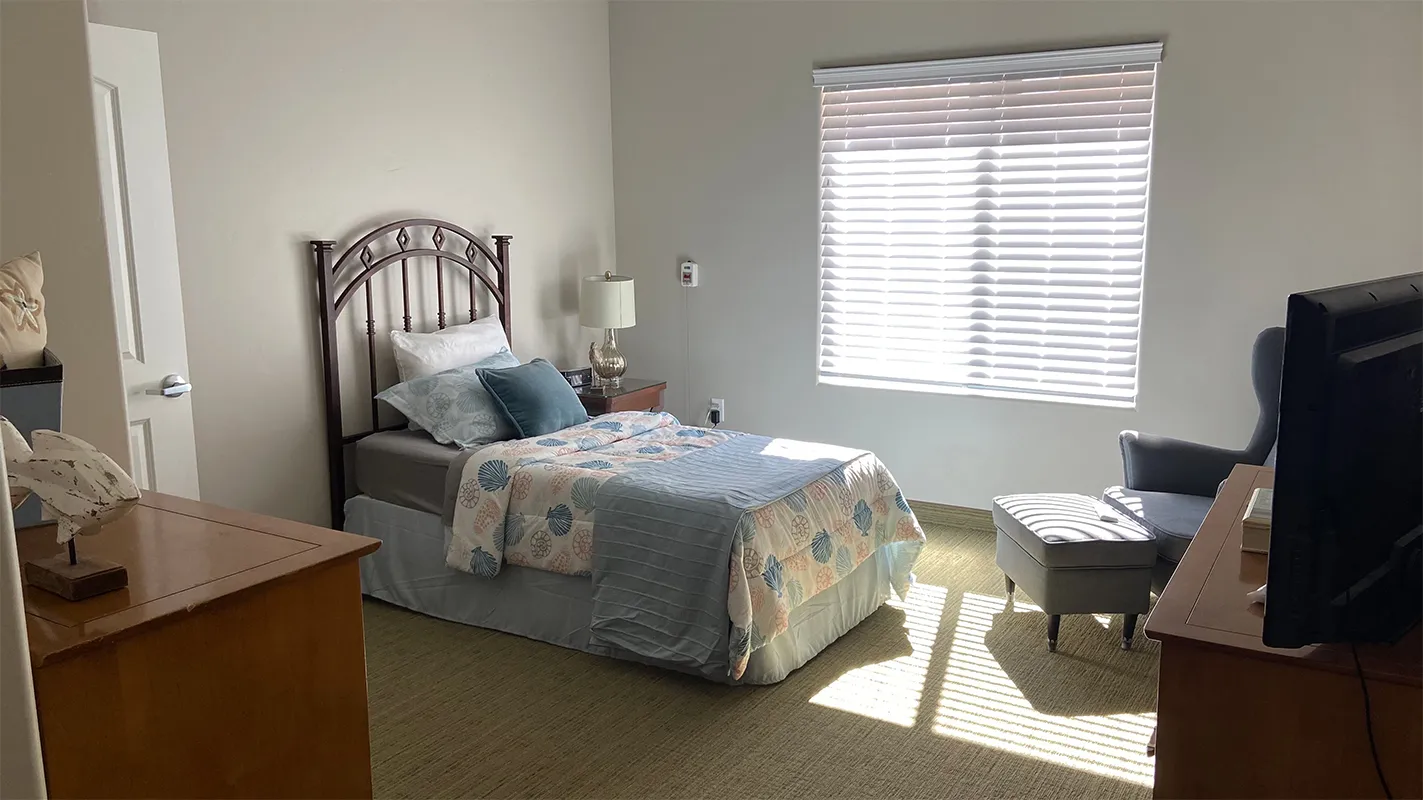
At BeeHive Homes of Mesquite, Nevada, we offer the finest assisted living experience available in a cozy, comfortable homelike setting. Each of our residents has their own spacious room with an ADA approved bathroom and shower. We prepare and serve delicious home-cooked meals three times a day every day. We maintain a small, friendly elderly care community. We provide regular activities that our residents find fun and contribute to their health and well-being. Our staff is attentive and caring and provides assistance with daily activities to our senior living residents in a loving and respectful manner. We would like to invite you to tour and experience our assisted living home and feel the difference.
780 2nd S St, Mesquite, NV 89027
Business Hours
Choosing where an older grownup should live is seldom a clean, apparent choice. It generally arrives after a slow accumulation of little things: a missed meal below, a neglected medication there, a loss that can have been worse, a home that used to really feel comforting and now appears more difficult to take care of every month. Family members typically spend a very long time trying to protect the status quo, and that reaction is easy to understand. The majority of people intend to stay at home as long as possible. The concern is not whether home issues, but whether home is still the best and most lasting setup for everyday life.
Assisted living sits in that middle area in between overall independence and full-time knowledgeable nursing. For lots of people, it protects self-respect, privacy, and regular while lowering the burden of food preparation, house cleaning, transportation, medicine reminders, and isolation. For others, it is not the best level of assistance at all. The genuine difficulty is discovering just how to tell the difference without waiting on a dilemma to make the decision for you.
What assisted living really is, and what it is not
Assisted living is typically described as well generally, which causes confusion. Some families think of a medical environment, while others picture a hotel with assistance available if needed. The fact is somewhere in between those extremes. Assisted living communities are developed for individuals that can no more take care of every aspect of daily life securely by themselves, but that do not require the continuous medical guidance of a nursing home.
A normal community assists with activities such as bathing, dressing, grooming, meals, medicine pointers, mobility assistance, and transport to consultations or errands. The exact solutions differ commonly, which variation matters. One neighborhood might be well matched to a person who requires a hand with bathing and tips to take morning drug. One more may be much better for an individual who needs frequent cueing, close guidance, or advanced individual care.
It is equally important to comprehend what assisted living is not. It is not indicated to change knowledgeable nursing look after a person with complex wounds, unsteady clinical conditions, or 24/7 scientific requirements. It is likewise not an enchanting solution for dementia, family conflict, or chronic loneliness. An excellent fit depends upon the person's demands, choices, and clinical facts, out a pamphlet or a floor plan.
When families search for assisted living near me or senior care near me, they are often really asking a much deeper question, which is not simply where can my parent live, but what kind of support will in fact make life better?
The signs that home is starting to work against someone
Families generally do not choose assisted living due to one significant event. More frequently, the proof gets here in layers. A parent who made use of to cook every evening currently depends on snacks and icy food because food preparation feels laborious. A spouse notices medication bottles accumulating or being taken at the incorrect times. A kid comes by and understands the refrigerator has plenty of run out food. A little girl gets a phone call after one more autumn, and the description does not fairly make sense.
There are a few patterns I see very closely when aiding households think this with. The first is a decline in personal hygiene or appearance. Individuals do not quit showering or dressing well just because they are being stubborn. In some cases the shower feels hazardous. In some cases joint inflammation makes buttons and zippers excruciating. In some cases depression or cognitive decline makes the entire routine feeling overwhelming.
The 2nd pattern is medicine drift. Missing out on one tablet might not appear severe, but duplicated mistakes can snowball. I have actually seen family members use pill organizers, phone alarm systems, and color-coded graphes for months prior to realizing the genuine problem was not lapse of memory alone. It was the combination of forgetfulness, vision changes, poor hunger, and fatigue. Assisted living can help with medicine pointers, but if the person can not reliably handle despite having prompts, that is a purposeful signal.
The third pattern is social withdrawal. Older adults who are silently ending up being separated typically tell family they are "fine." They may be spending entire days alone, not since they take pleasure in seclusion, but because driving feels stressful, staircases are tiring, and reaching out to others has actually ended up being harder than it utilized to be. Assisted living can be a solid choice below because it normally integrates in contact with other people, dishes, activities, and staff.
The fourth pattern is home upkeep breaking down. A house that when felt simple to handle can come to be a concern. Bills go unsettled, garbage accumulates, the oven is hardly ever utilized, and a once-tidy area begins feeling risky or messy. When the setting starts to develop threat, the conversation changes from preference to practicality.
A realistic take a look at the major trade-offs
Assisted living is usually the appropriate selection for people that need assistance, yet it is not automatically the most effective choice for everybody. The trade-offs deserve truthful attention.
The strongest debate for assisted living is safety with structure. Dishes are readily available. Aid neighbors. Team can observe modifications in condition earlier than relative often can, particularly if the older adult lives alone. That matters greater than individuals realize. A postponed shower, an avoided lunch, or a small stumble can result in a larger decrease if nobody exists to intervene.
The various other significant advantage is relief from the unnoticeable labor of life. Many older adults do not just need aid with jobs. They need remedy for the consistent psychological tons of deciding what to eat, whether to wash now or later on, whether to call the pharmacy, and how to get to the physician. A great assisted living establishing lowers that lots without stripping away autonomy.
The downside is that assisted living is not the like going to home. There are timetables. There are regulations. Personal privacy is different. Some locals adjust swiftly, while others really feel boxed in initially. That change duration is actual, and families sometimes undervalue it. A person who has lived alone for decades may bristle at set dish times or shared spaces. That does not necessarily imply the step was incorrect, however it does indicate assumptions need to be realistic.
Cost is an additional inescapable trade-off. Assisted living is not cost-effective, and rates frameworks can be complex. Base prices might look manageable up until care degrees, drug management, movement support, or memory care solutions are added. A family contrasting senior living choices should ask not only what the monthly fee is today, yet what might occur if needs enhance over the next year or two.
When assisted living makes good sense, and when it might not
The best choice typically comes down to just how needs and freedom intersect. Assisted living often tends to make good sense when a person is still able to join life, however just with a fair amount of support. They might be cognitively intact or mildly forgetful, physically unstable, or just bewildered by the logistics of living alone. They can normally interact preferences, appreciate neighborhood, and relocate with their day with some help.
It might be the most effective fit when family caregivers are starting to wear out. That factor comes earlier than many individuals anticipate. Adult youngsters commonly try to cover everything themselves, and for some time they can. After that the routine gets impossible. They are making dishes, taking care of medications, offering transport, handling laundry, and managing emergencies, all in addition to job and family duties. Respite care can sometimes bridge the space, but if the demand is continuous, assisted living may give the steadier solution.
It might not be the very best fit if the individual requires extensive treatment, has constant behavior difficulties that need specific supervision, or is no more safe despite having suggestions and aid. Advanced dementia, for instance, may call for a memory care setup rather than standard assisted living. Frequent falls, oxygen dependence, facility injury care, or quickly altering health and wellness problems might direct toward a greater level of care.
Families frequently hope the answer will be apparent when it rarely is. What aids is matching the setting to the actual degree of assistance required, not the degree of support an individual desires they still had. Hope issues, yet so does clear-eyed judgment.
Questions that punctured rejection and guesswork
An excellent decision typically begins with honest inquiries, asked without defensiveness. These are the kinds of inquiries that aid families relocate from vague concern to functional clarity.
- Can the individual handle bathing, clothing, toileting, and dishes safely most days?
- Are medications being taken appropriately without constant oversight?
- Has there been an autumn, near autumn, or repeat emergency clinic visit in the past six to twelve months?
- Is isolation, complication, or isolation becoming part of everyday life?
- Is the family members giving care that is beginning to really feel unsustainable?
These inquiries are not meant to pity anybody. They are a reality check. If numerous of them aim parallel, assisted living should have serious consideration, even if no one desires the conversation.
The duty of household dynamics, and why they make complex everything
A senior care decision is never nearly the senior. It impacts partners, adult kids, brother or sisters, and in some cases even next-door neighbors or friends who have silently become part of the care network. That is one factor these decisions are so mentally challenging. People are not just weighing health and safety. They are evaluating regret, loyalty, cash, background, and overlooked household roles.
One daughter may think moving her mother is the caring selection. An additional sibling may hear the very same idea as desertion. An older grownup might concur in principle and resist in technique, particularly if the action feels like a loss of authority. These tensions are common, and they commonly escalate when families prevent straight conversations for too long.
A functional approach is to secure the conversation in observable truths as opposed to abstract concerns. As opposed to claiming, "Mom can't live alone anymore," it is normally more efficient to claim, "She left the range on two times last month, missed out on three medication dosages we understand of, and fell getting out of the bathtub." Concrete instances are tougher to suggest with and much easier to act on.
If the family members is divided, it can help to include the older adult in the discussion early and to tour communities with each other. People are typically less resistant when they can see what assisted living in fact appears like. A bright dining room, a tidy home, and personnel that understand the residents by name can change the emotional tone of the conversation in such a way that no phone call can.
Visiting areas with the ideal eyes open
Many people start searching for assisted living near me and swiftly understand that areas can look similar at first glimpse. The distinctions show up in the information. The quality of the food, the patience of the team, the cleanliness of common areas, the means homeowners are spoken to, and the basic energy of the structure often inform you greater than the advertising product does.
When touring, pay attention to whether homeowners seem involved or just parked in front of a tv. Notification whether personnel greet people naturally or appear rushed and remote. Ask how the community deals with adjustments in care demands, after-hours support, and emergencies. If the individual taking into consideration the relocation has amnesia, ask how team member handle redirection and safety in a calm, respectful way.
It additionally helps to visit greater than when if possible. A lunch hour visit can feel extremely various from a peaceful mid-morning tour. The most effective areas normally reveal themselves in average moments, not just throughout scheduled discussions. You need to know just how they function on a Tuesday afternoon, not only how they look when a person is attempting to thrill a prospective resident.
A brief tour can be sufficient to eliminate a location that feels wrong, yet a good choice often takes some time. Households in some cases need to sit with what they saw, compare notes, and revisit the question after the emotional rush of the tour fades.
When a temporary stay can respond to the bigger question
Not every decision needs to be long-term on the first day. Often a short-lived stay provides everyone the viewpoint they require. Respite care can be beneficial when a caregiver requires a break, when a household intends to examine whether the older grown-up adapts well to a community, or when recovery after surgical procedure or health problem has actually made independent living momentarily unrealistic.
Short-term stays can reveal points that are tough to predict from the exterior. Some people unwind practically quickly since they take pleasure in not needing to handle dishes or house cleaning. Others come to be a lot more distressed at first, after that resolve in after a week or two once the regular ends up being acquainted. A trial period can aid distinguish temporary resistance from a true mismatch.
That said, a short keep is not always a tidy simulation of long-term life. Individuals commonly behave in different ways when they know something is temporary. Still, respite care can be a beneficial bridge, particularly when family members are attempting to determine whether the structure of assisted living feels helpful or limiting for that particular person.
Signs that the move ought to occur earlier instead of later
There is a sort of hold-up that originates from thoughtful planning, and afterwards there is a hold-up that originates from fear using a thoughtful face. The 2nd kind can be hazardous. A family members might maintain saying they require "another month" or "one more season," even as the risks maintain mounting.
A step ought to occur earlier as opposed to later on when the individual has currently had a severe fall, is continuously missing out on medications, is no longer consuming routine dishes, is leaving the cooktop or doors harmful, or is becoming progressively separated and perplexed. Fast weight loss, poor hygiene, wandering, and duplicated complication about time or area are especially important caution signs.
It deserves remembering that waiting for a dramatic crisis can make the shift a lot harder. A prepared action gives every person extra control. The person can select furniture, bring purposeful possessions, and go into the neighborhood with some self-respect undamaged. A hurried move after a hospital stay or an autumn often feels more disorienting and traumatic.
A steadier method to think of the decision
The finest fit is hardly ever the most inexpensive alternative, the most familiar alternative, or the one that maintains every old habit. It is the setup where the person can remain risk-free, reputable, and as independent as possible without stretching family caregivers beyond reason.
For some people, assisted living is the moment life becomes simpler again. Meals are predictable. Assistance is available. The isolation raises. The household chores quits consuming the day. For others, the relocation senior living feels like a loss, a minimum of initially, and the family needs to relocate gradually, pay attention meticulously, and keep readjusting. Both experiences can be true.
What matters most is not whether assisted living seems like abandonment or success in the abstract. What matters is whether it matches the person's real needs. If it does, the fit can be incredibly excellent. If it does not, the inequality usually shows up rapidly in stress, safety issues, or an expanding dependancy on family members that never really resolves.
The best inquiry is not whether someone is ready to "surrender" the home they have known. The better concern is whether their existing home still gives them the assistance, safety, and quality of life they are worthy of. When the answer starts to tilt far from of course, assisted living might be the most useful and gentle following step.
BeeHive Homes of Mesquite provides assisted living care
BeeHive Homes of Mesquite provides respite care services
BeeHive Homes of Mesquite supports assistance with bathing and grooming
BeeHive Homes of Mesquite offers private bedrooms with private bathrooms
BeeHive Homes of Mesquite provides medication monitoring and documentation
BeeHive Homes of Mesquite serves dietitian-approved meals
BeeHive Homes of Mesquite provides housekeeping services
BeeHive Homes of Mesquite provides laundry services
BeeHive Homes of Mesquite offers community dining and social engagement activities
BeeHive Homes of Mesquite features life enrichment activities
BeeHive Homes of Mesquite supports personal care assistance during meals and daily routines
BeeHive Homes of Mesquite promotes frequent physical and mental exercise opportunities
BeeHive Homes of Mesquite provides a home-like residential environment
BeeHive Homes of Mesquite creates customized care plans as residents’ needs change
BeeHive Homes of Mesquite assesses individual resident care needs
BeeHive Homes of Mesquite accepts private pay and long-term care insurance
BeeHive Homes of Mesquite assists qualified veterans with Aid and Attendance benefits
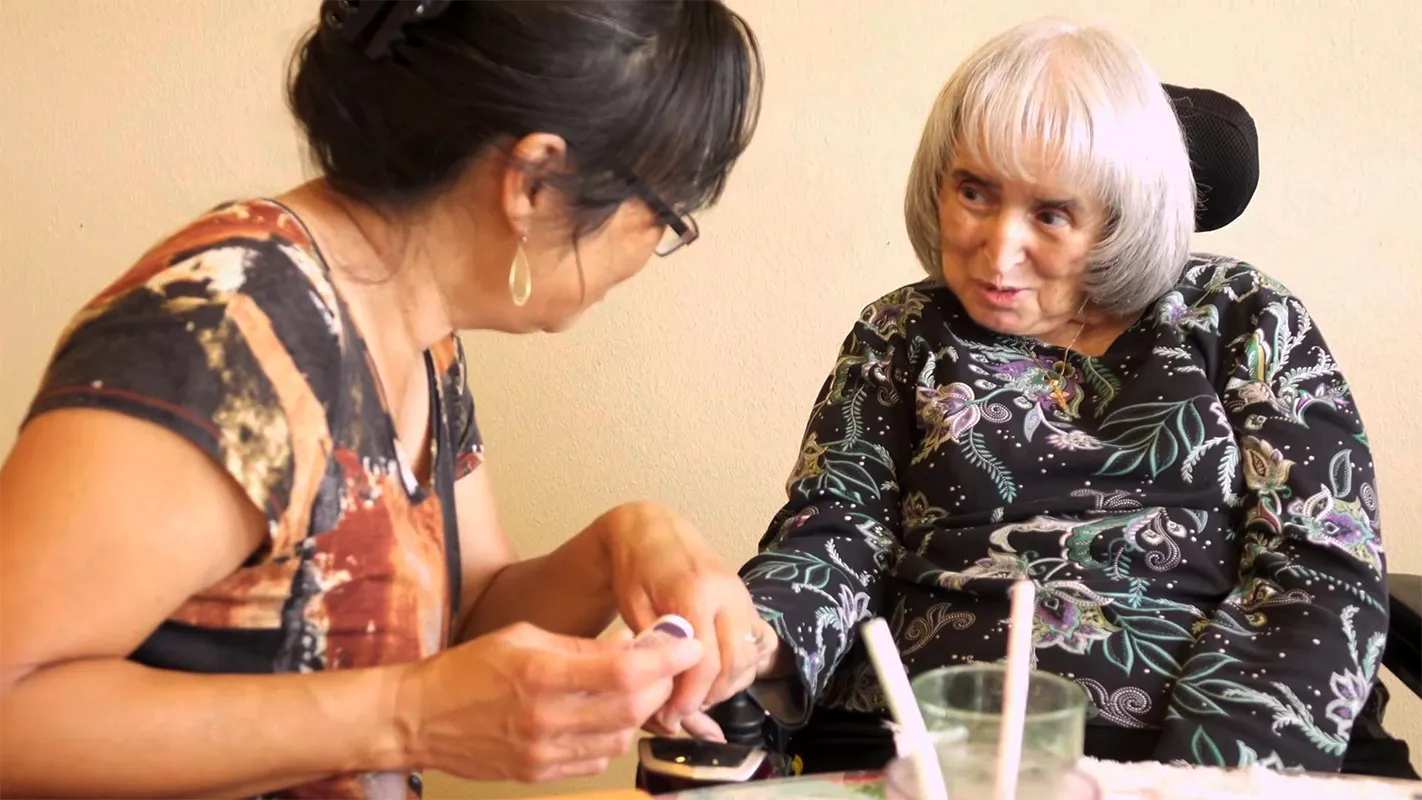
BeeHive Homes of Mesquite encourages meaningful resident-to-staff relationships
BeeHive Homes of Mesquite delivers compassionate, attentive senior care focused on dignity and comfort
BeeHive Homes of Mesquite has a phone number of (702) 381-6899
BeeHive Homes of Mesquite has an address of 780 2nd S St, Mesquite, NV 89027
BeeHive Homes of Mesquite has a website https://beehivehomes.com/locations/mesquite/
BeeHive Homes of Mesquite has Google Maps listing https://maps.app.goo.gl/FouNDQWSGjDorrdT7
BeeHive Homes of Mesquite has Instagram page https://www.instagram.com/beehivehomesmesquite/
BeeHive Homes of Mesquite has an TikTok page https://www.tiktok.com/@beehivehomesofmesquite
BeeHive Homes of Mesquite has an YouTube page https://www.youtube.com/@hamiltonshives4468
BeeHive Homes of Mesquite won Top Assisted Living Homes 2025
BeeHive Homes of Mesquite earned Best Customer Service Award 2024
BeeHive Homes of Mesquite placed 1st for Senior Living Communities 2025
People Also Ask about BeeHive Homes of Mesquite
What is BeeHive Homes of Mesquite Living monthly room rate?
Our base rate is $4,400/month plus a one-time community fee of $1,500. We do an assessment of each resident's needs upon move-in, so a resident's rate may be slightly higher. Based on the assessment, a resident may be in Tier I, II, or III with pricing from $4,900 to $5,300 per month. However, we do not add any "a la carte" charges after that rate is set. There are no add-ons or hidden fees
Does Medicare or Medicaid pay for a stay at Bee Hive Homes?
Medicare pays for hospital and nursing home stays, but does not pay for assisted living. Some assisted living facilities are Medicaid providers, but we are not. We do accept private pay, long-term care insurance, and we can assist qualified Veterans with approval for the Aid and Attendance program
Do we have a nurse on staff?
We do have a nurse on contract who is available as a resource to our staff but our residents' needs do not require a nurse on-site. We always have trained caregivers in the home and awake around the clock
What can you tell me about the food at Bee Hive?
You have to smell it and taste it to believe it! We use dietitian-approved meals with alternates for flexibility, and we can accommodate needs for different texture and therapeutic diets. We have found that most physicians are happy to relax diet restrictions without any negative effect on our residents
Do we have a pharmacy that fills medications?
We do have a relationship with an excellent pharmacy that is able to deliver to us and packages most medications in punch-cards, which improves storage and safety. We can work with any pharmacy you choose but do highly recommend our institutional pharmacy partner
Where is BeeHive Homes of Mesquite located?
BeeHive Homes of Mesquite is conveniently located at 780 2nd S St, Mesquite, NV 89027. You can easily find directions on Google Maps or call at (702) 381-6899 Monday thru Sunday: 8:00am to 7:00pm
How can I contact BeeHive Homes of Mesquite?
You can contact BeeHive Homes of Mesquite by phone at: (702) 381-6899, visit their website at https://beehivehomes.com/locations/mesquite/ or connect on social media via Instagram Facebook or TikTok
Take a drive to Los Lupes. Los Lupes provides a welcoming dining destination where families supporting loved ones through Assisted living memory care senior care elderly care and respite care can gather for a meal.